

“Americans should know what their healthcare will cost before they receive it.” Robert F. Kennedy Jr
By Dorothy Brooks – October 6, 2026
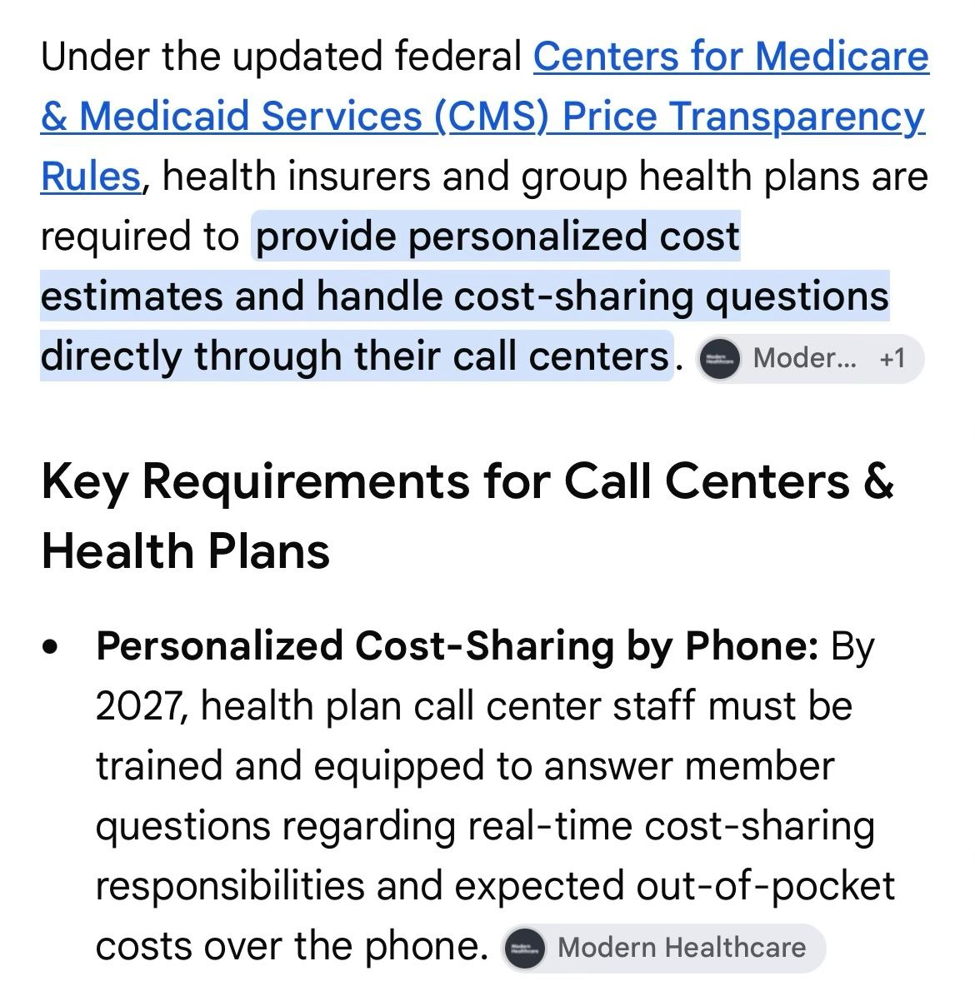
Starting with plan years that begin on or after Jan. 1, 2027, most employer health plans and health insurers will have to tell members by phone what a covered service is likely to cost them out of pocket. The requirement is part of final Transparency in Coverage rules announced on Oct. 5, 2026, by the Department of Health and Human Services, the Department of Labor and the Department of the Treasury.
For many households, the change is about who can actually get an answer. Under the original 2020 rules, insurers already had to offer personalized cost-sharing estimates online or on paper. Adding the phone helps people who struggle with insurer websites, adults managing a parent’s care, and families pricing a child’s MRI or surgery.
The rules also overhaul the large pricing files insurers post online. Officials say the goal is cleaner data that developers and employers can turn into tools for patients.
Phone Estimates and the 2027 Plan-Year Deadline
According to the CMS fact sheet on the final rules, cost-sharing information that plans must already provide “through an internet-based tool or on paper, upon request” must also be available “over the phone, upon request.” The change applies to plan years, or policy years in the individual market, beginning on or after Jan. 1, 2027.
A member could call the number on an insurance card and ask what they would owe for a specific in-network service, based on their own deductible and coinsurance. CMS said offering estimates by phone also satisfies a similar cost-sharing tool requirement in the No Surprises Act, including for grandfathered plans that are not otherwise subject to the transparency rules.
Timing will vary by plan and by employer. Members of plans that renew on Jan. 1 could see the phone option in early 2027, while plans that renew on July 1 or later would add it when their 2027 plan year begins.
In the CMS announcement of the final rules, CMS Administrator Dr. Mehmet Oz said, “People should know what their health insurance will cover and what they will need to pay before receiving medical care, not after the bill arrives.”HHS Secretary Robert F. Kennedy Jr. said, “Americans should know what their healthcare will cost before they receive it.”
Deadlines Tied to Federal Register Publication
Most other deadlines are not fixed calendar dates. They run from the day the rules are published in the Federal Register, so the dates below are estimates until publication is confirmed.
The Federal Register public inspection listing shows the 338-page document was filed on Oct. 5 and scheduled for publication on Oct. 6. The rules take effect 60 days after publication, which would be around Dec. 5, 2026, if publication occurs as scheduled.
Revised in-network rate and out-of-network allowed amount files are due five months after publication, or roughly early March 2027 on that schedule. New contextual files are due 11 months after publication, or about early September 2027. They include a utilization file listing providers who actually billed the plan.
Several changes reduce clutter. Plans will update rate files quarterly instead of monthly and post one in-network file per provider network rather than one per plan. The threshold for reporting out-of-network payments falls from 20 claims to 11, which should make more out-of-network prices visible.
Plans must also attest that their files are “true, accurate, and complete” and name a senior official responsible for the data. A separate prescription drug pricing file is on a longer path. The 2020 rules included a drug pricing file that was never enforced. The HHS announcement on the final rules said design work on the new file begins in November 2026, with plans starting to publish it in December 2027.
Savings Claims and Open Questions for Patients
CMS cited recent data showing that prices for the top 25% most expensive health care services have dropped by 6.3% per year since price transparency requirements first took effect for hospitals and health plans. That figure does not show how much any family saved, and it does not prove the new rules will have the same effect.
The Departments project the changes will save plans and issuers about $174.5 million a year starting in the second year. That is an administrative saving for insurers, not a guaranteed cut in premiums or patient bills.
Employer purchasers welcomed the rules. “There are not a lot of wins in health policy, and we think this is a big one,” Elizabeth Mitchell, CEO of the Purchaser Business Group on Health, told Fierce Healthcare. The rules carry out Executive Order 14221 and were first proposed in December 2025.
Questions remain. The fact sheet does not address call-center wait times or how phone estimates will be checked for accuracy. An estimate is also not a promise of the final bill, which can change if a provider adds services or is out of network.
The phone rule complements protections that focus on hospitals. MedicalDaily previously explained what patients can already request from hospitals about prices, including good faith estimates for uninsured and self-pay patients. The new rules focus on what insured patients owe under their own plans.
Steps Families Can Take Before 2027
People likely to benefit most include those with high-deductible plans, families planning imaging, childbirth, or surgery, and people with limited internet access who prefer to speak with a person.
For now, members can use their insurer’s online cost estimator or request a paper estimate. Before scheduled care, ask the doctor’s office for the provider name, facility and billing code. Write down the date and the estimate you receive.
Check when your plan year begins, since that date decides when the phone option applies. Employees can ask their benefits office, and marketplace enrollees can check their policy documents. If a bill is much higher than quoted, contact the plan and ask about appeals. Questions about whether a procedure is medically right should go to a clinician.
The rules will not lower anyone’s bill on their own. They give patients one more way to learn their likely costs before care, starting with 2027 plan years. Federal Register publication will lock in the remaining dates, and MedicalDaily will update this story as agencies release guidance.
Read more