
Over 20% of the U.S. population are Medicare beneficiaries. Medicare is described as health insurance but it’s not. It’s a government tax-based pool of money used to pay for the health care needs of mostly old people……….old people who have paid into the pool all their working lives and most if not all continue to pay whether they use it or not. What they pay is called premiums.
Part A: Work History Sets Your Premium
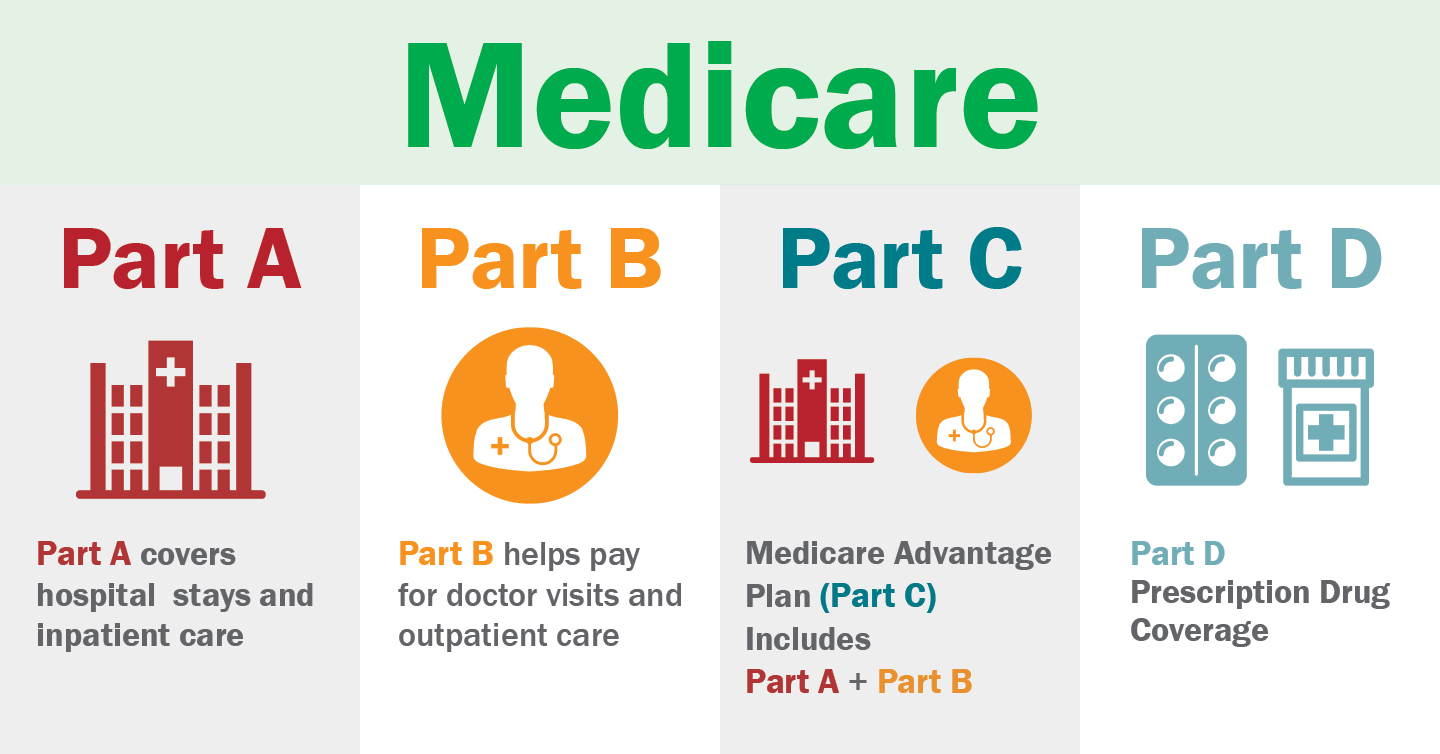
Part A covers hospital stays, and most people pay nothing for it. If you or your spouse paid Medicare taxes for at least 40 quarters (10 years) during your working life, you qualify for premium-free Part A. Those payroll taxes you paid over the decades are what “bought” this coverage.
If you have fewer than 40 quarters of work history, you’ll pay a monthly premium. People with 30 to 39 quarters pay a reduced rate, while those with fewer than 30 quarters pay the full premium. The exact amounts are recalculated each year by CMS based on program costs. To keep this coverage, you must also enroll in and pay for Part B.
Part B: The Standard Premium and How It’s Set
Part B covers doctor visits, outpatient care, and medical equipment. The standard monthly premium for 2025 is $185.00. CMS recalculates this amount every fall for the following year, based on projected spending for Part B services across the entire Medicare population. By law, premiums collected from beneficiaries must cover roughly 25% of Part B’s total costs, with the federal government funding the remaining 75% through general tax revenue.
This is why the premium changes year to year. When overall healthcare spending rises, or when new expensive treatments enter the market, the Part B premium rises to keep pace. The annual announcement typically comes in October or November for the following January.
Part B: The Standard Premium and How It’s Set
Part B covers doctor visits, outpatient care, and medical equipment. The standard monthly premium for 2025 is $185.00. CMS recalculates this amount every fall for the following year, based on projected spending for Part B services across the entire Medicare population. By law, premiums collected from beneficiaries must cover roughly 25% of Part B’s total costs, with the federal government funding the remaining 75% through general tax revenue.
This is why the premium changes year to year. When overall healthcare spending rises, or when new expensive treatments enter the market, the Part B premium rises to keep pace. The annual announcement typically comes in October or November for the following January.
Higher-income beneficiaries pay more for Medicare through a system called the Income-Related Monthly Adjustment Amount, or IRMAA. Medicare uses your tax return from two years prior to determine whether you owe a surcharge. So your 2023 tax return determines your 2025 premiums.
For Part B in 2025, the income thresholds work like this for individual filers:
- $106,000 or less: You pay the standard $185.00
- $106,001 to $133,000: $259.00 per month
- $133,001 to $167,000: $370.00 per month
- $167,001 to $200,000: $480.90 per month
- $200,001 to $499,999: $591.90 per month
- $500,000 or more: $628.90 per month
For joint filers, the thresholds are roughly double: $212,000, $266,000, $334,000, $400,000, and $750,000. Married people who file separately face steeper surcharges at lower income levels, jumping from $185 to $591.90 once income exceeds $106,000.
IRMAA also applies to Part D prescription drug coverage. The surcharges follow the same income brackets, adding $13.70 to $85.80 per month on top of your plan’s base premium. These adjustments are not permanent. If your income drops (due to retirement, divorce, or the death of a spouse), you can appeal to Social Security and request that a more recent tax year be used instead.
SOURCE: How Medicare Premiums Are Calculated and Set – ScienceInsights