
By Chris Fisher
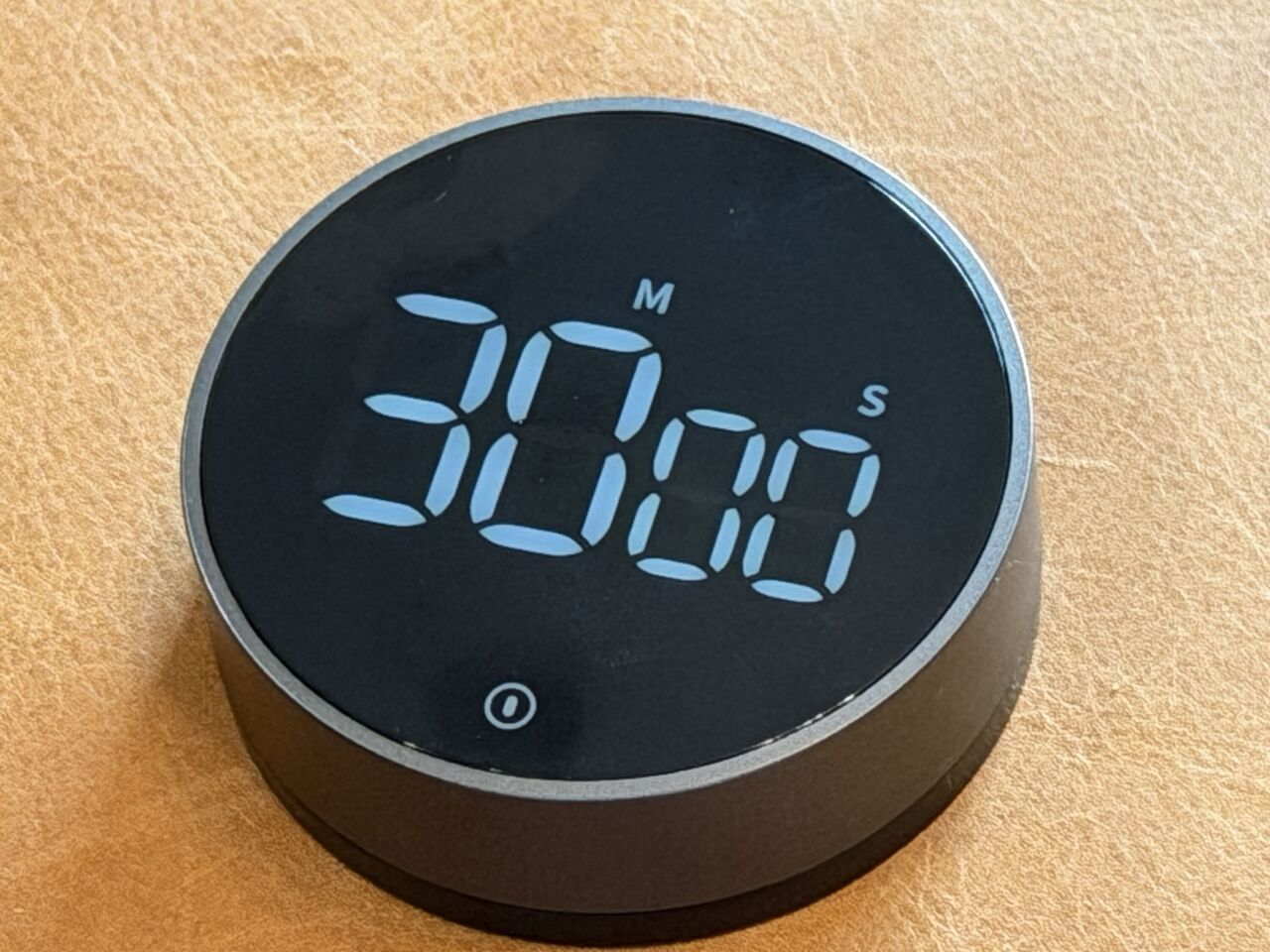
I travel with a kitchen timer, and people usually laugh when I take it out of my bag.
When I walk into a meeting, I tell everyone it’s going to be 15 or 30 minutes, then set the timer in the middle of the table where everyone can see it. It’s about setting expectations. It tells people I’m serious about ending on time, and it builds a little trust before anyone has said a word about the business.
It also helps everyone else in the room. Everyone has run out of time and realized they never covered the thing they cared about most. A quick glance at a timer that says there are 7 minutes left is a reminder to move on from one section and focus on the part that matters. A practice leader once told me that respecting time was part of why he likes meeting with me.
When I travel with someone, I tell them that when the timer goes off, they want to be done talking, because getting cut off is far more awkward than wrapping up. That constraint forces people to spend the time on what they think truly matters.
I’m not a monster about it. When it goes off, I ask. If the person I’m meeting with says this is great and asks for another 15 minutes, I reset the timer and we keep going, as long as everyone opts in. Just don’t take more time than you asked for.
I’ll admit this is something I haven’t always followed as well in the past, which is why I love this timer. I used to use my iPhone, which worked okay, but a kitchen timer has a much bigger screen, everyone can see it, and I don’t have to give up my phone.
What do you do to keep a meeting on time?

This is great. I can’t count the number of times a meeting (or a phone call) taking an hour or more could have been done in 15 minutes or less. We all know who the talkers are, those who talk a lot but say nothing. They suffer from logorrhea – (excessive wordiness, repetitiveness), a form of mental illness.